A finished four-shot film from two photos: the survivor aims a trembling handgun through the dark cabin, cannot fire, opens both arms — and the zombie’s leap match-cuts into an embrace in a golden wheat field at sunset
AI Zombie Examples
Every story below starts from two photos and ends as a 15-second film with audio. Browse the looks, then open one in the generator.
Made with AI Zombie Trend
Example frames rendered from two-photo inputs. Open any of them as your own.
The pet version, rendered end to end: the owner lowers the gun and kneels with both arms open, the zombified dog sprints and leaps, and the hard cut returns them both to a sunlit wheat field with the dog healthy again
 Veo 3.1AI-generated
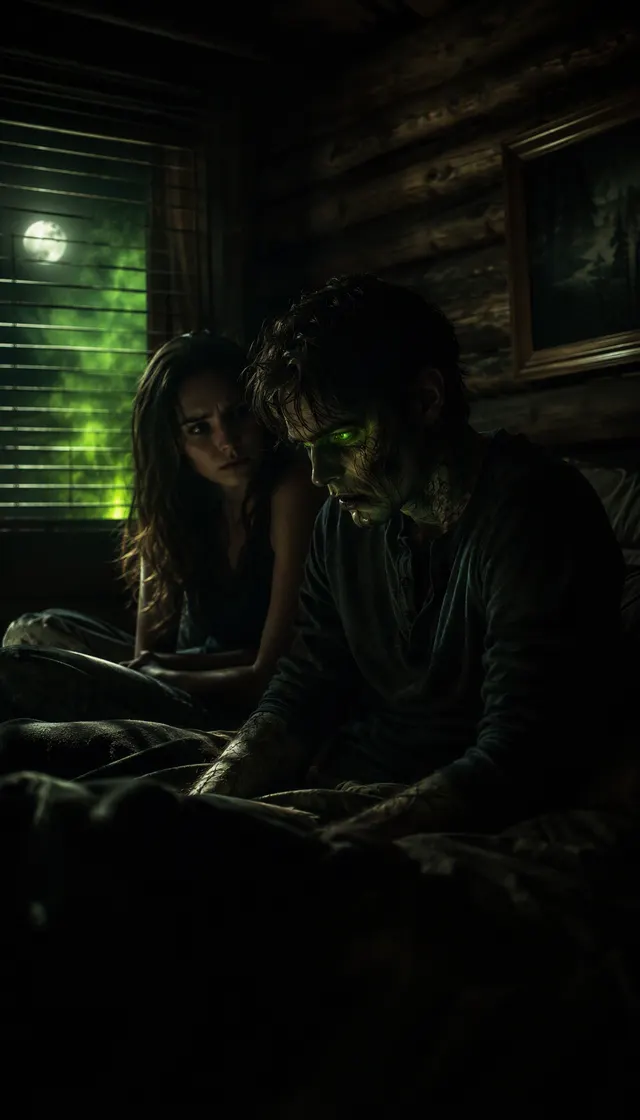
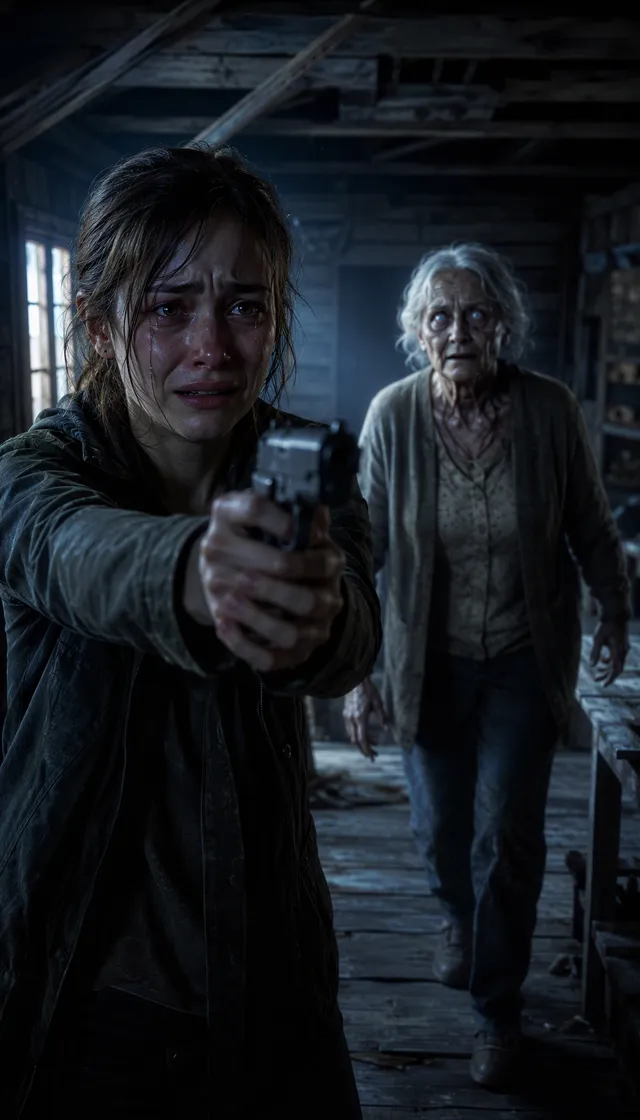
The Raised Gun, shot one of four: a survivor aims a trembling handgun at the zombified partner they love, tears streaming, dim daylight through the broken cabin windows, cold blue-grey cinematic 3D
 Veo 3.1AI-generated
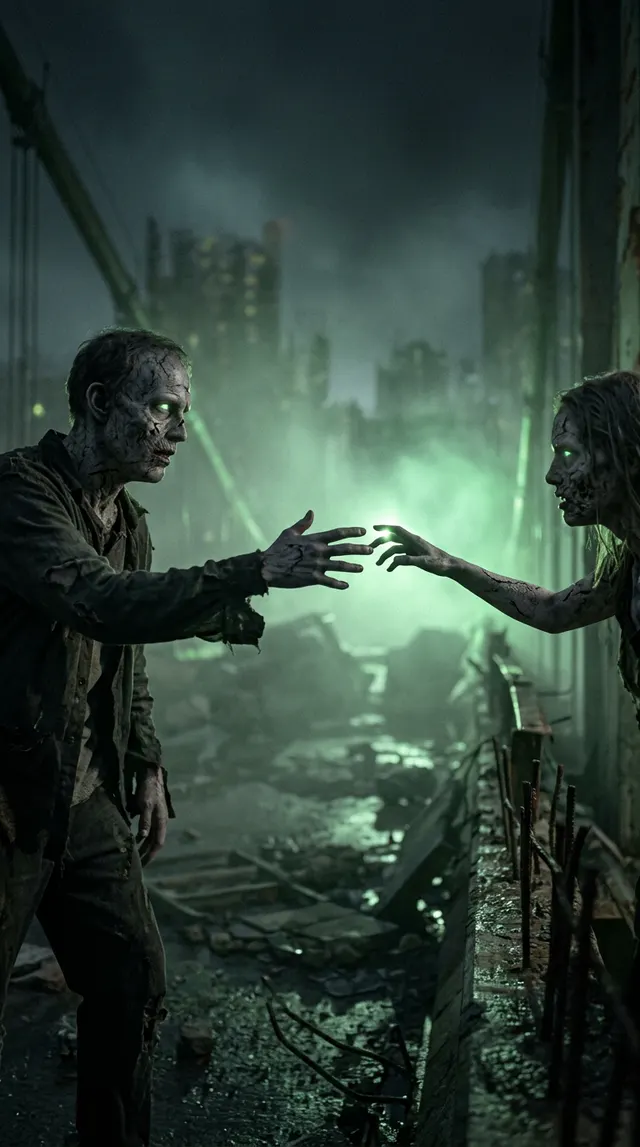
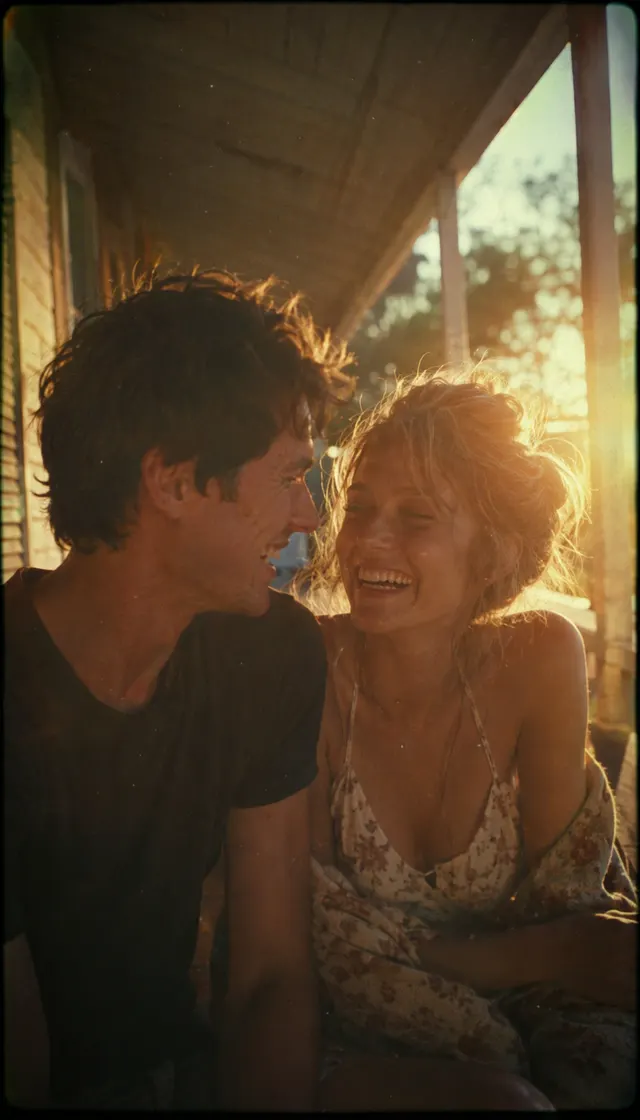
The Wheat Field, shot four of four: mid-air the dark cabin becomes a golden wheat field at sunset, the zombie leap landing as a tight embrace with both characters alive again, warm cinematic 3D
 Veo 3.1AI-generated
The Open Arms, shot three of four: still crying, the survivor lowers the handgun and lets it fall, then spreads both arms wide in painful acceptance, inviting the zombie into an embrace
 Veo 3.1AI-generated
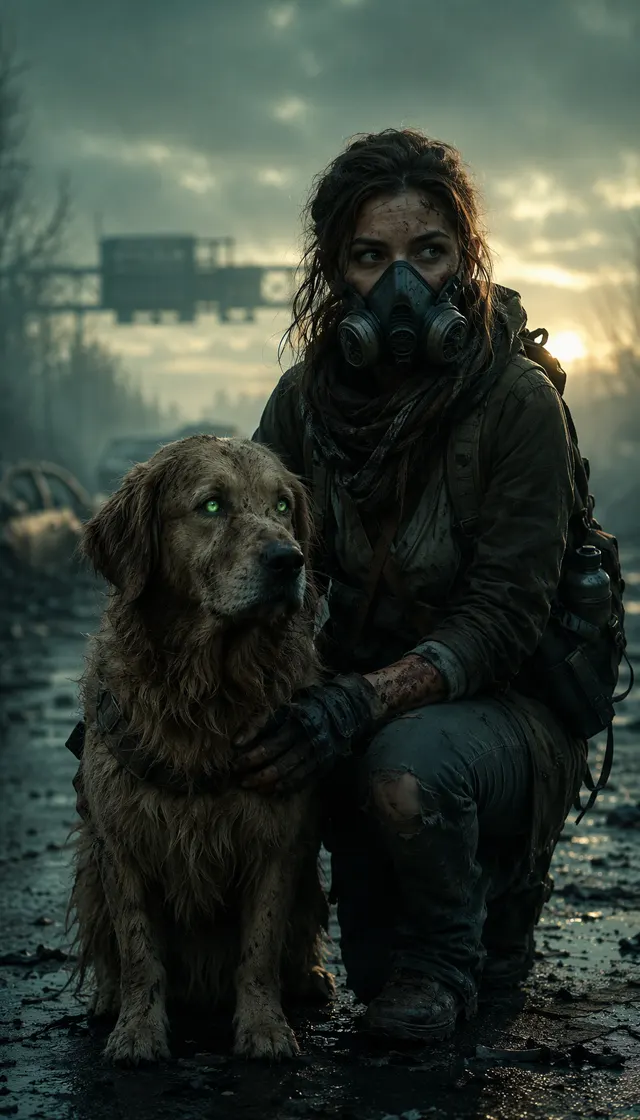
Zombie pet version, four shots: the owner lowers the gun and opens their arms, the zombified dog sprints and leaps, and the hard cut lands them both in a golden wheat field with the dog healthy again
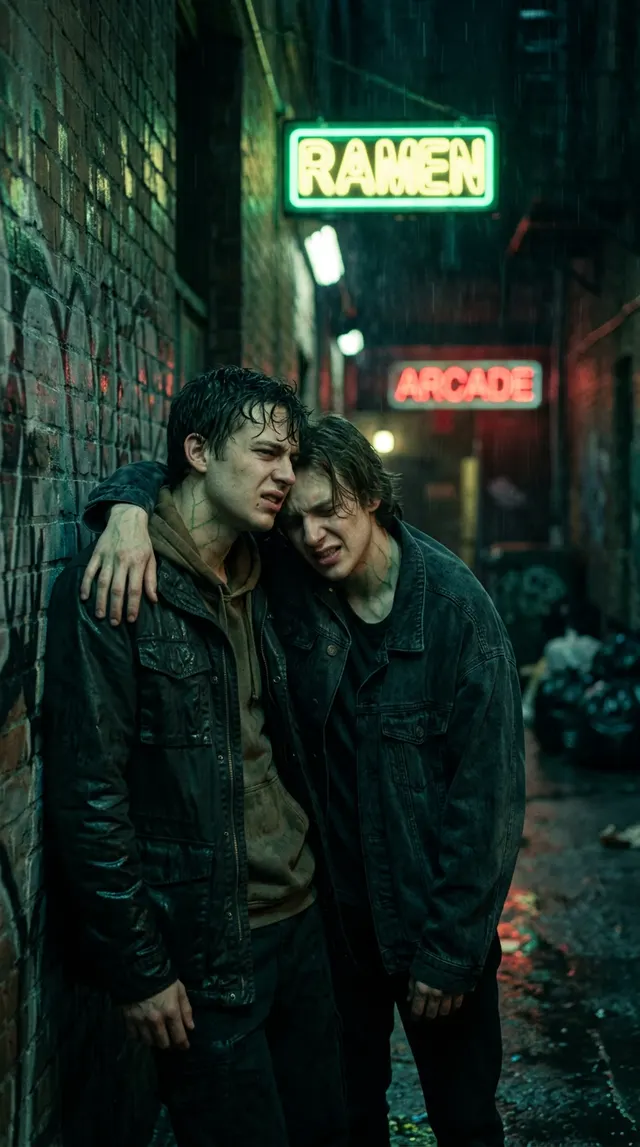 Veo 3.1AI-generated
Zombie friends version, four shots: one friend cannot pull the trigger, drops the gun and opens both arms; the other sprints, leaps, and the match cut turns the tackle into a hug in a wheat field at sunset
 Veo 3.1AI-generated
Family version, four shots: the grown child cannot fire on the zombified parent they were raised by, drops the gun and opens both arms; the leap match-cuts into a tight embrace under a golden sunset
A real family film generated in our own workbench: two photos become the survivor and their zombified parent, running the four-shot story from the dark cabin to the sunset embrace
Every clip on this wall is AI-generated fiction made here by us: the people you see are characters rendered from photographs we were entitled to use, not real footage of anything that happened. See something that shouldn't be here? Report it.
What to look for in each clip
Three things decide whether a zombie film lands, and every example on this wall is built to be checked against them.
The two faces stay the same people
One film is four shots across two completely different lighting setups, and the two characters are supplied as nothing but photographs. Watch a face from the cold cabin interior into the golden field at the end: hairstyle, proportions and the shape of the eyes are what tell you whether the model held the person or invented a lookalike. That continuity is the whole reason both photos go in as character references instead of a single starting frame.
The embrace carries across the cut
Shot three ends with arms opening in the cabin; shot four begins with the same bodies already closing in the wheat field. In a good result the movement has no seam — the hug continues through the cut rather than restarting on the other side of it. That single join is the technique the whole format rests on, and it is worth pausing a clip at exactly that frame.
The colour tells you which half you are in
The first ten seconds are desaturated and blue-grey, lit through dirty cabin windows with dust in the light. The last five are golden and backlit, with movement in the wheat. The contrast is the emotional argument of the piece: cold and frightening on one side, warm and lost on the other. A clip where both halves look the same grade has lost the point of the format.
How these films were made
Each one is a single request: two photographs, one world, one subject, one resolution tier. The scene brief, the shot order, the timings, the grade and the sound design are all fixed on our side and never exposed as a prompt box, so there is no tuning step between an example here and what your own two photographs become. Where a card lists a model name, that is the model the film ran on — 480p and 720p are two prices for the same picture.
Every film on this wall is AI-generated fiction, marked as such on the card. The faces are characters rendered from photographs supplied by the people in them or with their agreement, and nothing here depicts a real event.
The same four shots, four relationships
Filter the wall by who turned and the storyboard stays identical while the cast changes; the useful thing to study is what an animal moves like compared with a person, and what the same embrace reads like when the two people are friends rather than lovers. The films on this wall were rendered in the cabin world, which the generator still offers — alongside three more worlds and the same person/pet choice on top of each.
- Couple — the original form of the trend: the gun, the hesitation, and the partner who came back to the door anyway.
- Pet — the owner opens both arms and the animal drags itself across the room to rest its head on their shoulder, which is what makes these clips land hardest.
- Friend — two people who showed up for each other, with the same beats read as loyalty instead of romance.
- Family — the younger survivor and the parent who has turned, ending on a child holding an adult one last time.
From an example to your own film
Pick the card whose story is closest to yours and open the workbench from it: the subject comes preselected, and the only decisions left are which two photographs and which of the four worlds. Everything else on this page — the shot order, the grade, the timings — is already handled by the same template that made the clip you are looking at.
Questions about the examples
Are these made with real users’ photos?+
No. Every film on this wall was made by the site itself, from photographs we were entitled to use, in our own workbench — and nothing a customer generated can appear here, because finished films stay in their owner’s private library. Every card carries the AI-generated mark, and if you believe one of our own examples should not be public, report it straight from the card and it comes down.
Will my film look exactly like the example I clicked?+
It will follow the same storyboard: the same four shots, the same cut, the same grade split and sound design. What differs is the cast — your faces, your hair, your animal — and the model’s own variation, which is why two takes of one pair of photographs are two different films.
Why do some cards show a model name?+
The wall spans films made on more than one model, including the 480p and 720p tiers and the earlier single-shot examples. The label tells you which one produced that picture; the story template behind it is the same.
Can I use an example as my own starting point?+
Yes — every card links into the workbench with its subject already selected, so you are starting from the same brief with your own two photographs in the slots.